Detective Recomp
Required disclaimer
I feel this is important to state up front. I don't support datacenter rollouts that are destroying communities. I don't support AI image generation, it's not art. I don't support replacing jobs with AI. I'm using only open weight models, and am trying to minimize my impact for the most part. There will be a more extensive blog post later. This post, and all of its contents were written by me, a human, and forever will be from this point on, with only one post, clearly marked, and was meant to be an experiment. If you are 100% diametrically opposed to ALL AI use, then you can read anything without the tag's use. It will be 100% powered by humans! Onto the actual post.
Preamble
I've been playing with my infrastructure a lot lately, getting CI/CD set up, stress tested, and it's been helping me manage my homelab, so I have had a bit of time to play with some small AI stuff. I've been building a few things here and there, yes, vibe coded slop. I haven't had the motivation to be writing code, and in fact, quite the aversion, but still love playing with toys, so I started experimenting with harnesses for AI. It's a really early field, and every few months, you learn that everything you know is now suddenly old news, and you have to learn it all again, but here we are.
So what's the title all about?
Well, it means two things. One, I was very curious about the recomp scene, and wanted to do some detective work. I've seen a ton of progress on projects like LASRecomp (Link's Awakening, Switch) as well as Let's Go's recomp had me feeling like it can't be that hard to work with these projects with robots (AI). I rarely actually play games, but I did want to replay Let's Go Eevee, and figured I had a hacked Switch, a game cart, and I could get everything "The way that projects say to", so why not?! Welp, I got my Switch, dumped my game, and fed the files into the recomp on Bazzite and... bug. Zig has issues under WINE/Proton, and it couldn't recomp, and the only noted fix was to run it on Windows, and we can't have that around here. I finally had an excuse to do something "hard" with a robot. So I collected everything, pointed DeepSeek V4-Flash-1017 at it, and under $0.35 of tokens later, it was... done?!
I present to you, the fork that runs on Linux, not in Proton, but actually natively, and has some other fixes as well! LET'S GOOOOOOOOOO
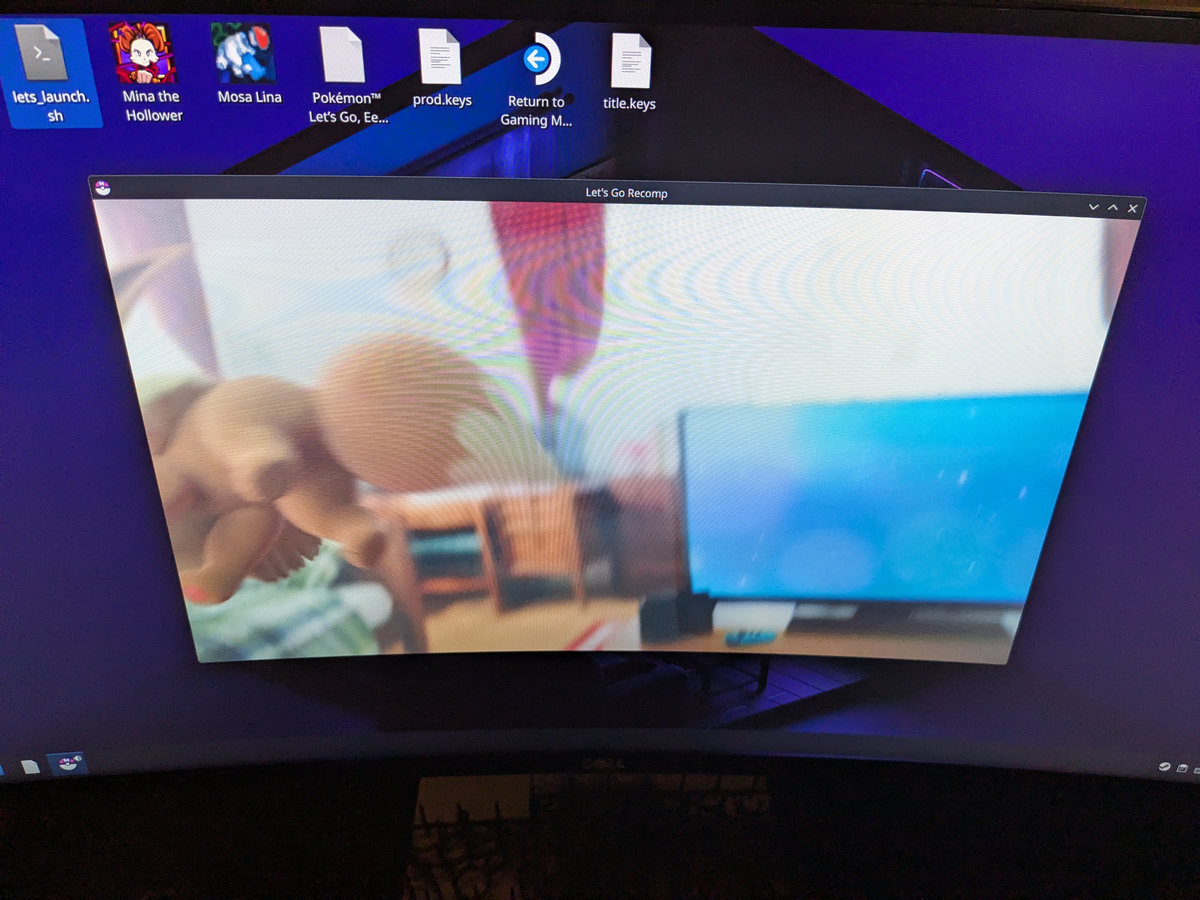
And because I'm sure someone out there is screaming "PIRATE" or something along those lines...
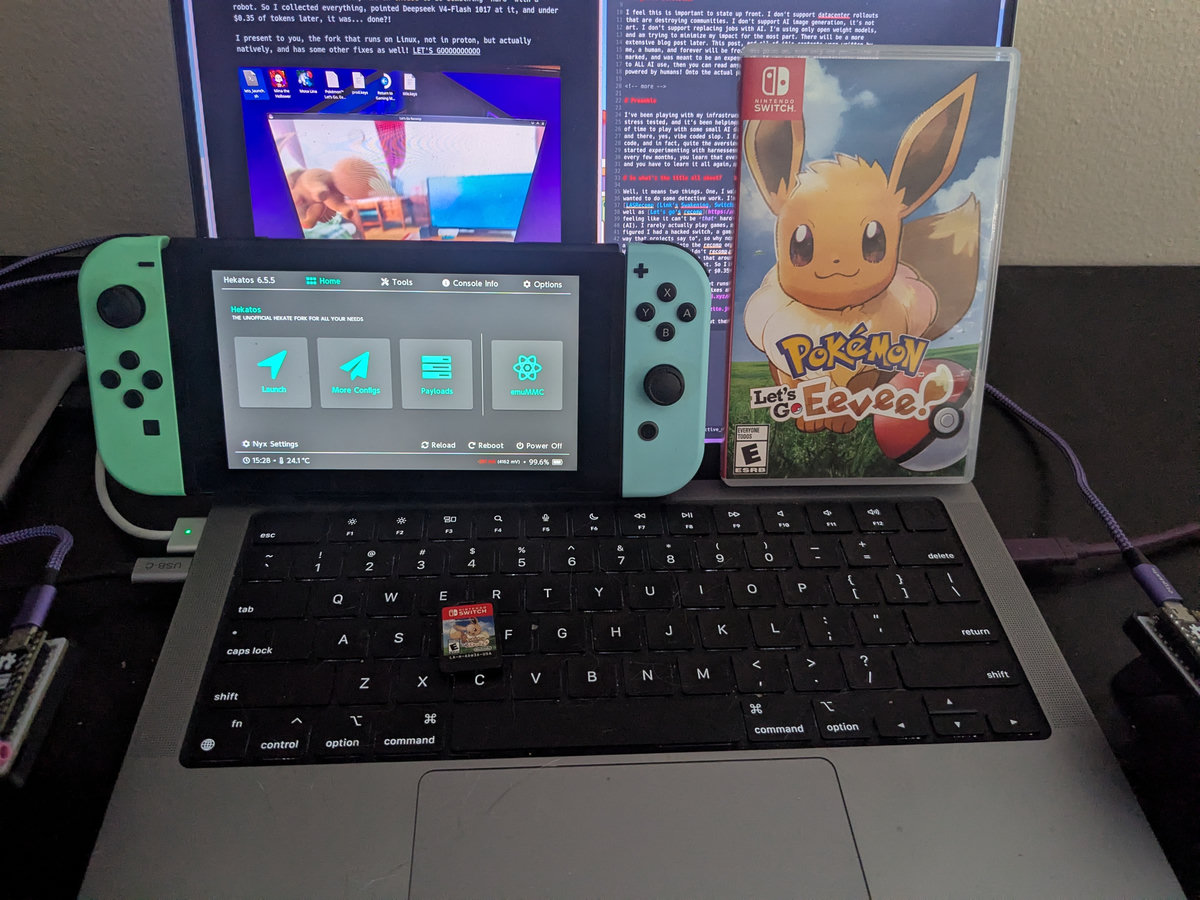
And no, it's not lost on me that the photo above is somewhat meta. Let's hope I don't need to do any major edits above or that'll be awkward.
So that's the first half of why the title is that way. What's the other half?
Well, that's when I decided to test what this harness on a cheap model can really do! With the hard work having already been done first, by humans, the Switch is massively documented already. A lot of the understanding has been done both by making things for Switch, and emulators over the many years. Modern lifters have gotten really good at turning Switch game code into usable C++, as well as Unity has been documented well enough that I figured if something I wanted to see running on PC wasn't, why not do it? So in spite of Nintendo knocking doors down, I'd give it a shot with Detective Pikachu! And because I know people like images, have some very very early looks at development, and I'll try to talk through things as stages progress!
Our fork of LASRecomp (Link's Awakening, Switch) with most of it stripped out got us directly to a title! It was a very promising start.

Language select worked too!

The cutscene was horribly broken after only a little debugging by the robot to get through crashes. It wasn't rendering the video, but subs, and other static images seemed to work!

Shaders were very very broken though.
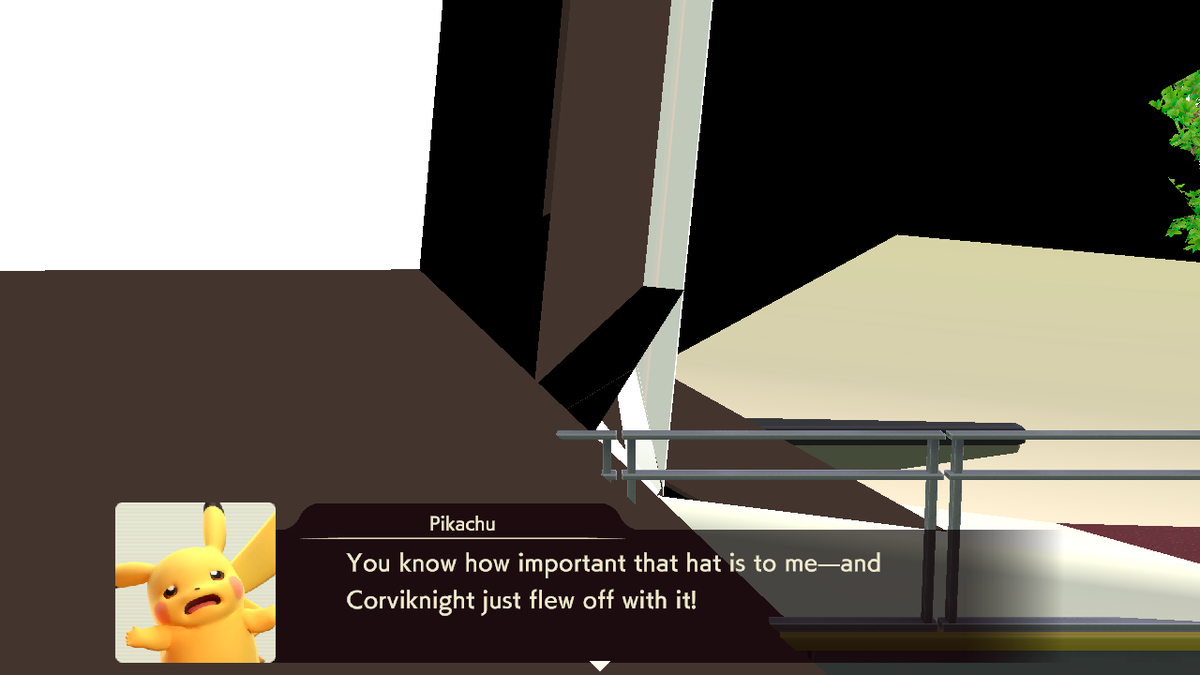
It was at this time that I started to notice that progress really slowed down. I worked on structuring things to use Forgejo issues for short term work, it was told to create and maintain a Forgejo wiki to hold durable information that would be useful in the longer term, and I had the machine grinding for hours debugging one crash/error/issue after the next. It started to get a little grindy as a human, as it looked like DeepSeek was overthinking, and needed to be doing more testing than thinking, so I made the choice to switch it to low thinking mode at this point, and things started actually getting done again.
Testing started to not be consistent, so I worked on solutions for it to build to make more reliable testing, so it could start comparing shot for shot on things. I mean, it's 100% robot driven to the point that it's not even been rendering to a real screen on the test system. It's been running in a background off screen thing in its own, invisible to me, session, and all I got to see to this point has been screenshots that it's made, and put in places for me to look at if I wanted to.
Shaders slowly started working once I got the loop going.
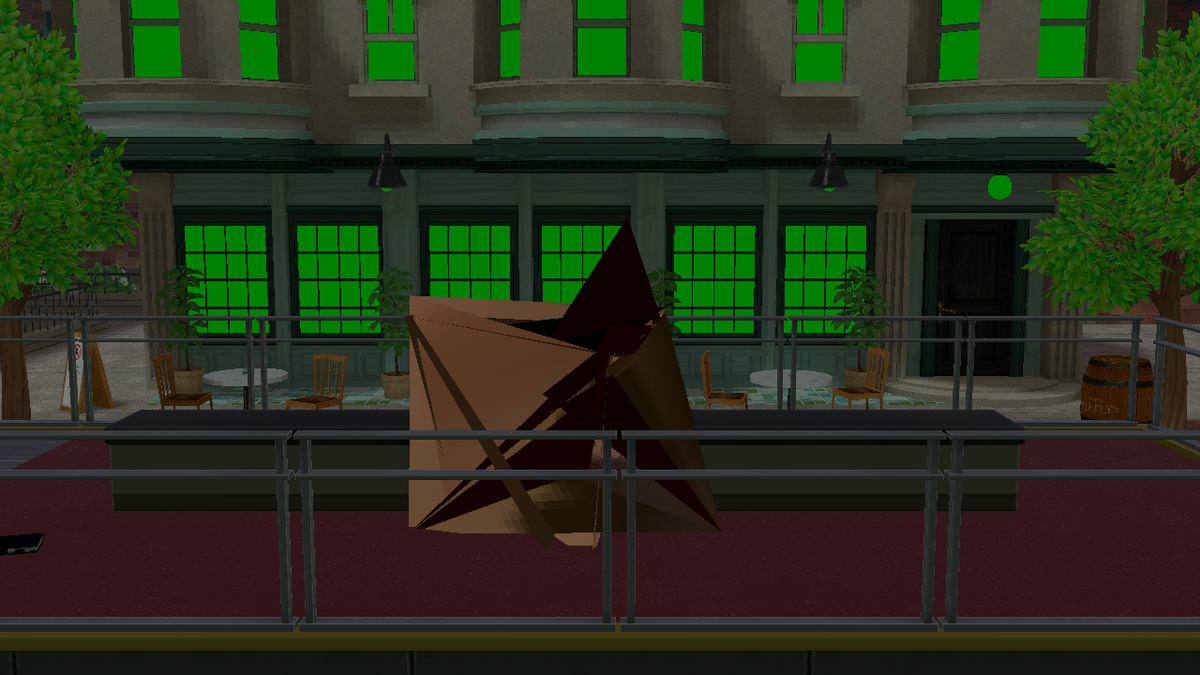
It also managed to work its way through cutscenes with rendering!
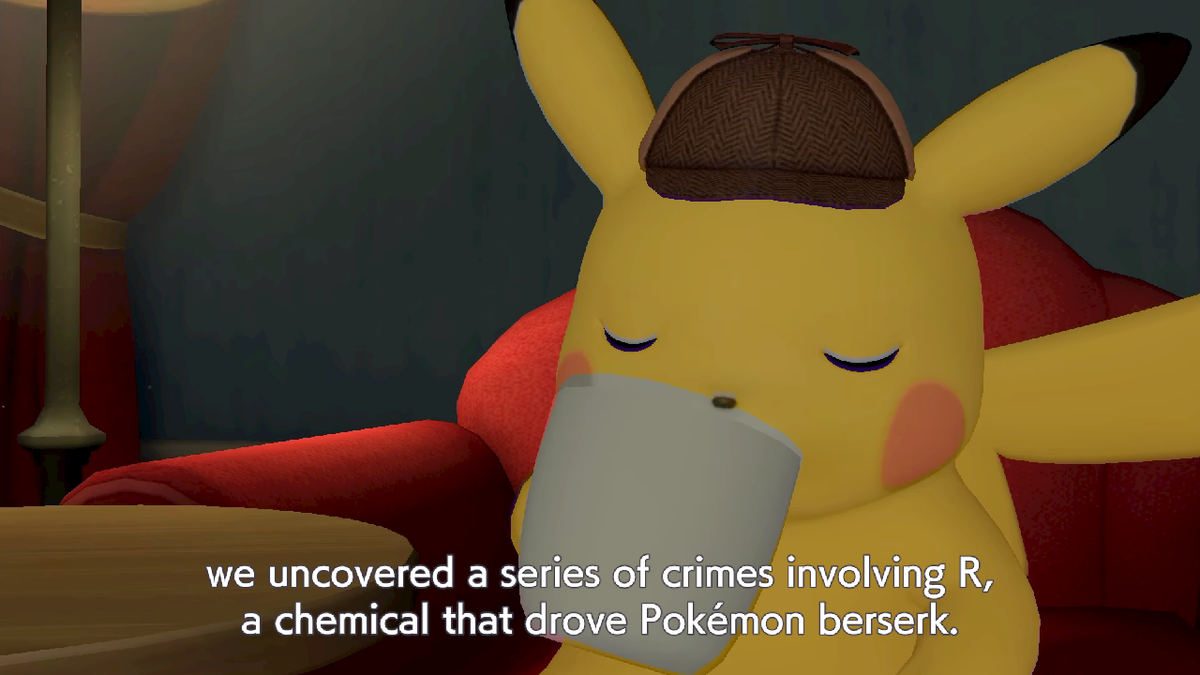
So then what?
Well, all "real work" was being done not on the machine that's actually running the harness, so I started optimizing the workflow to be much more token efficient on round trips. Little optimizations, but it does add up over time, as very little work is done on the harness machine (MacBook Pro). The running target is an AMD APU Bazzite mini PC that's often being used as a media center, and all work is happening in distrobox containers to keep it contained, and makes it easy to clean up behind. I'm writing this story as it unfolds, and I'm tired of prompting the same loop of "Go fix open issues", so I've worked on a way to get that to loop on its own. Management will be possible as the sessions stay interactive, but workflow stays the same. New session, hours of work, onto the next one.
The elephant in the room
This has to be getting expensive with everything working so much, right? This is bad for the environment, and datacenters are staying warm because of... Let's look at that right now. Everything to this point has been done on an OpenCode Go subscription, for $10 USD. As it sits, it's currently 22% used for the month. That's 22% of $10, so $2.20 of tokens. That's for my entire usage, not just the things in this post. DeepSeek's Flash model is insanely low resource usage due to its computerized design. It's not the smartest, it's got memory issues, but it's very light to run, and if the end of the computing world weren't upon us, it would be something that many enthusiasts could run in their homes. I do know a few who run V4-Flash at home and are loving it too. Many of these recomps are run on Claude, and often times I know Fable is used as the model. These are massive things that have real impacts on real people, and use insane amounts of power. If what you are working on makes lives genuinely better, I won't comment, but for little toys like this, we really should be reducing our impact on the world with AI stuff. It's part of why I run only light, open weight models. With my current usage, electricity would cost more for me to run local than what I'm getting, because it's basically "overflow" usage. I run on off peak times, and make use of capacity that has to be up and running anyways. May as well put it to light work. Other half of the "so much AI use" in terms of run times. Turns can take sometimes 18-20 minutes while the test machine compiles, runs, collects info, and then even has anything to return to the model.
On the note of "Doing more for cheap"
While the main agent is on loop, I do keep tabs on it, both in session, and checking git commits, comments, etc. I notice issues from time to time, and work with another agent to research, validate, theory craft, and open more issues, or fix/correct things that are in the wiki/issues. This has seemed to take the place of me prompting every time, and allows it to be grinding on grunt work, while I manage it externally.
A few days later...
It's starting to look pretty great actually! It's started working through rendering bugs with its new time travel powers, getting runs done and tested all on its own. I started to hear menuing and other runs randomly on the box since I have speakers on it, but it hasn't actually been rendering anything on screen (as instructed), so I only have gotten glimpses into it that I've been showing you with screenshots. I hope to run the game soon, but hopefully you enjoy seeing the progress that I've seen over the last 2 days.
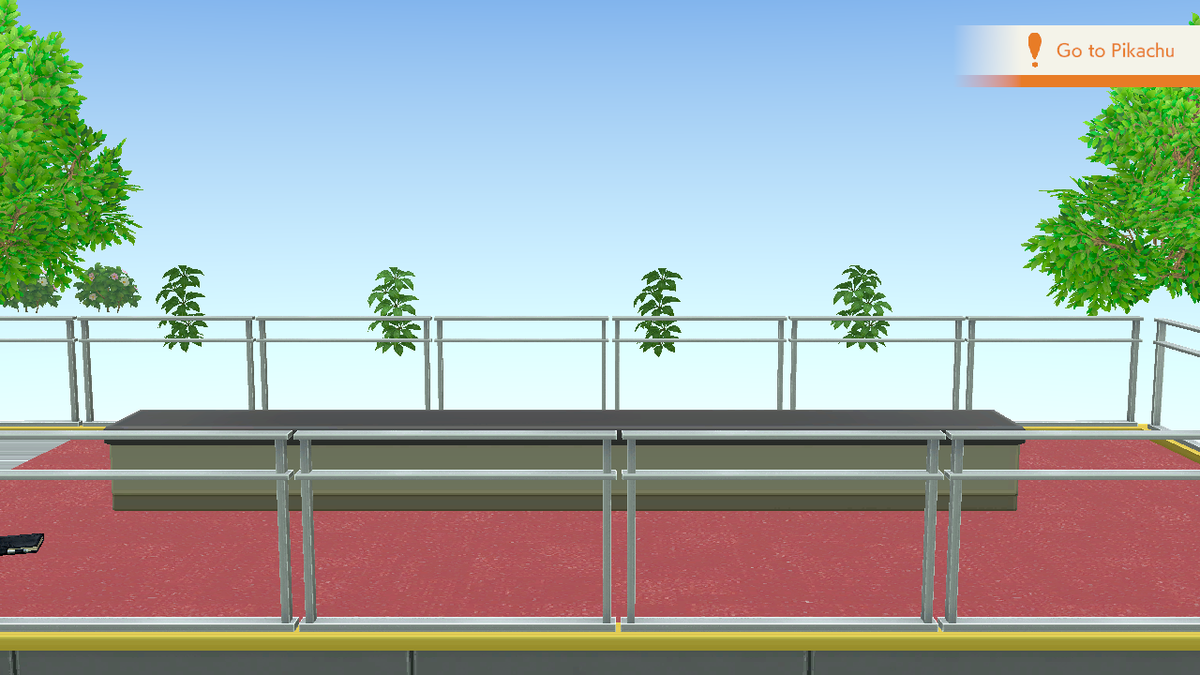
It started working through some of the rendering bugs, seen above.
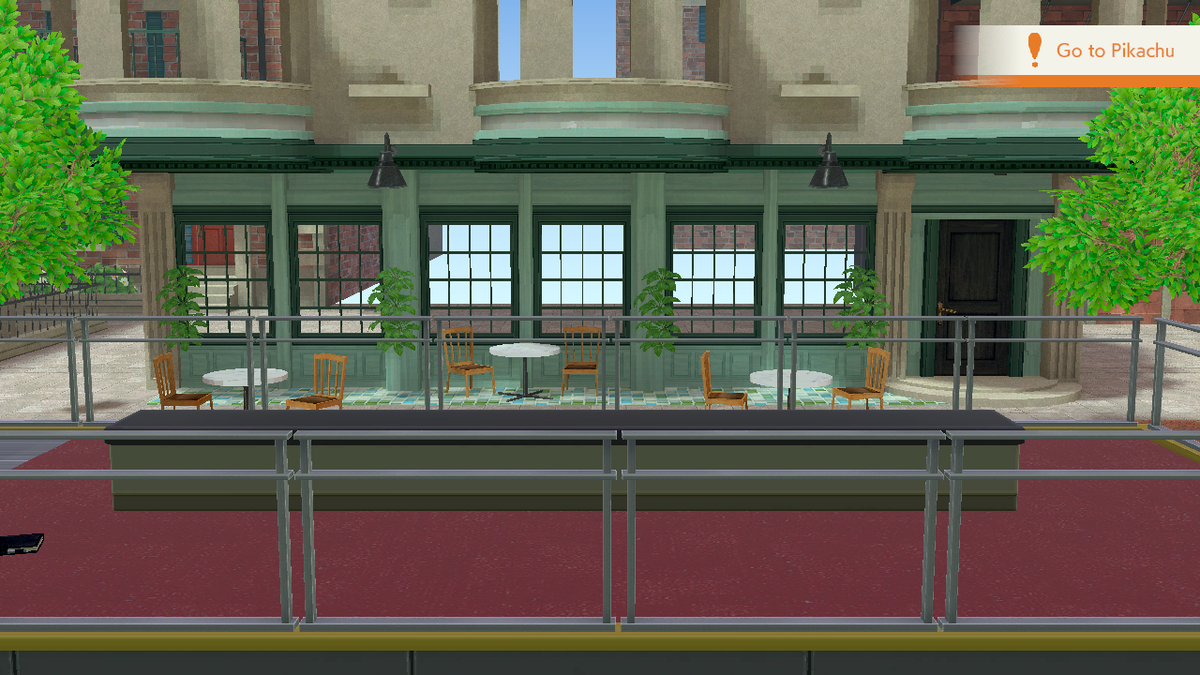
And it eventually even figured out that reflections and transparent objects exist!
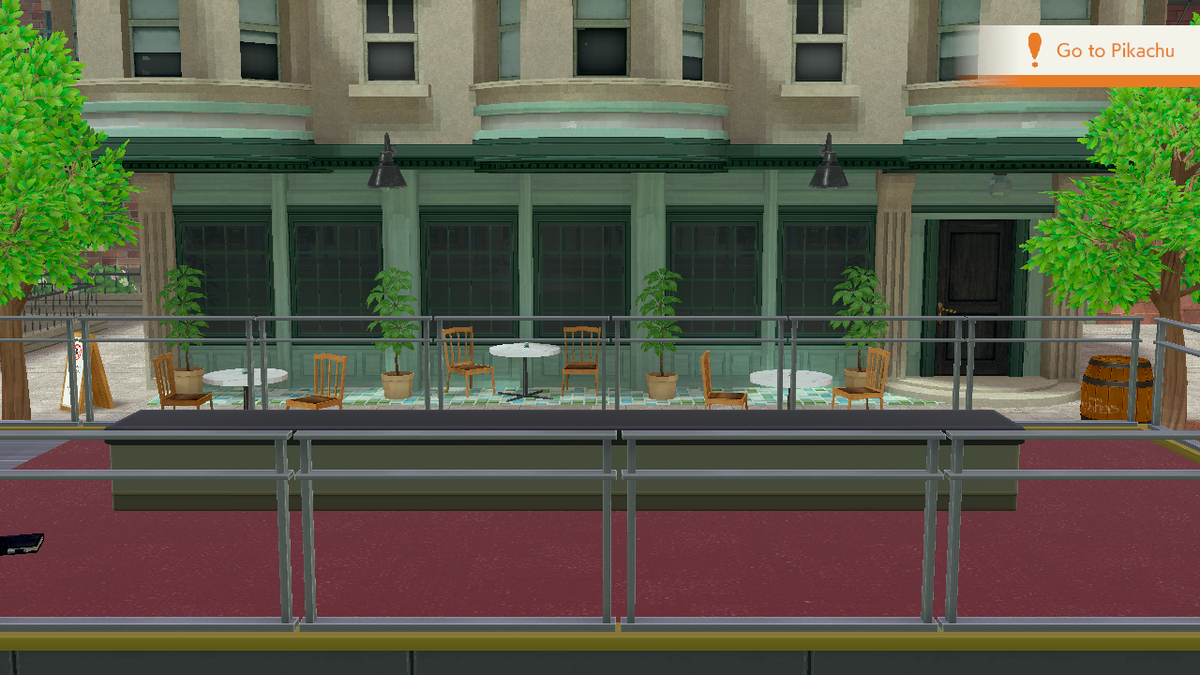
A few more days later...
I decided that I'm tired of waiting to talk about this project, and I switched strats. I've had agents in parallel ripping apart and documenting the ROM on max thinking, and then other agents bug fixing with low thinking with the supplied info. I didn't want to bother the remote runner, so I decided to have it run locally for the first time. The local machine is an M1 Pro MacBook Pro (aarch64), and the remote build box has been an AMD APU, so I wasn't expecting much, but within a few minutes of asking it to run locally, it was up and running! I was so lost, that I had to ask it for controls, as I've not interacted with it at all before.
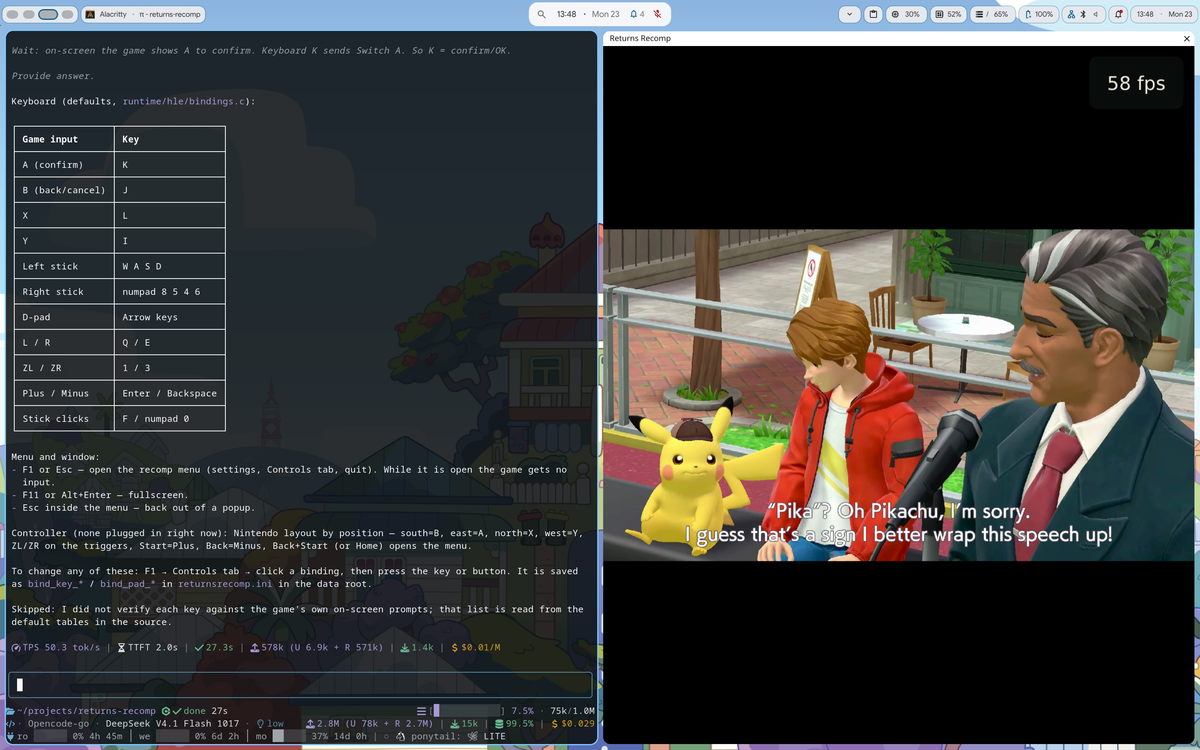
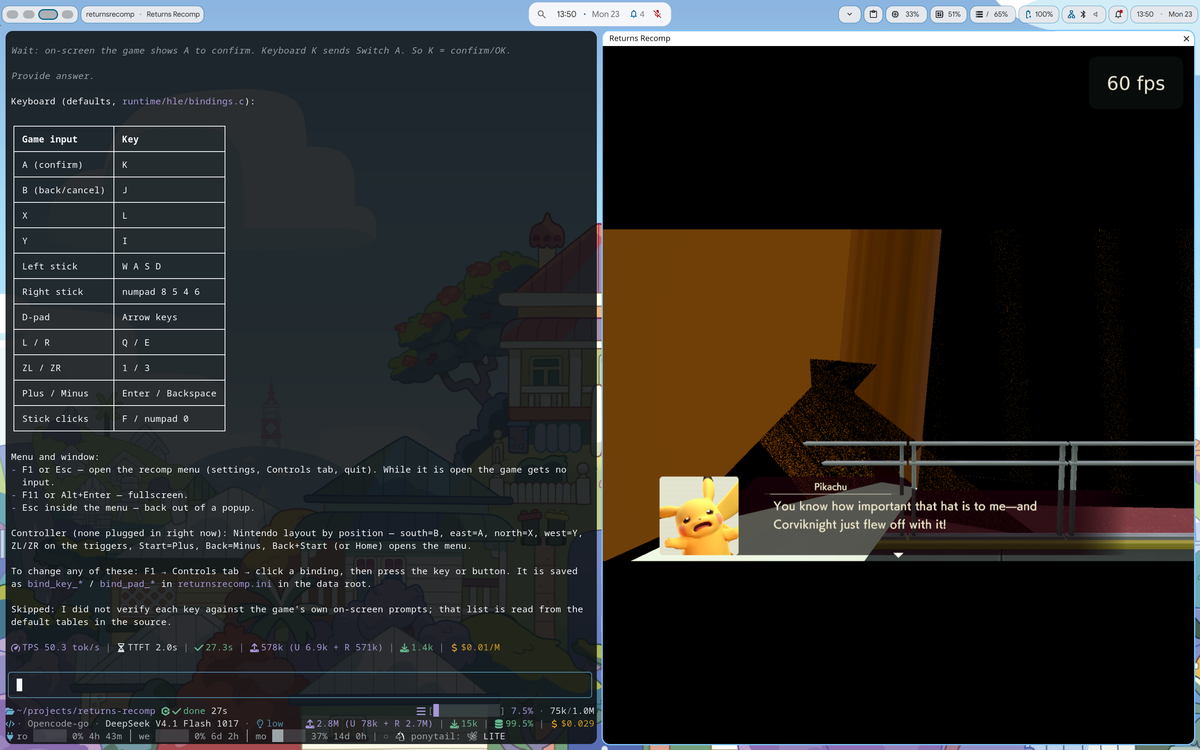
And with only one more prompt to fix the bug, and many agents having been doing deep research dives, it was up and rendering without issues! Ignore the time on the clock being different. I had a job to do, and did the fix the next morning. Dang day jobs...
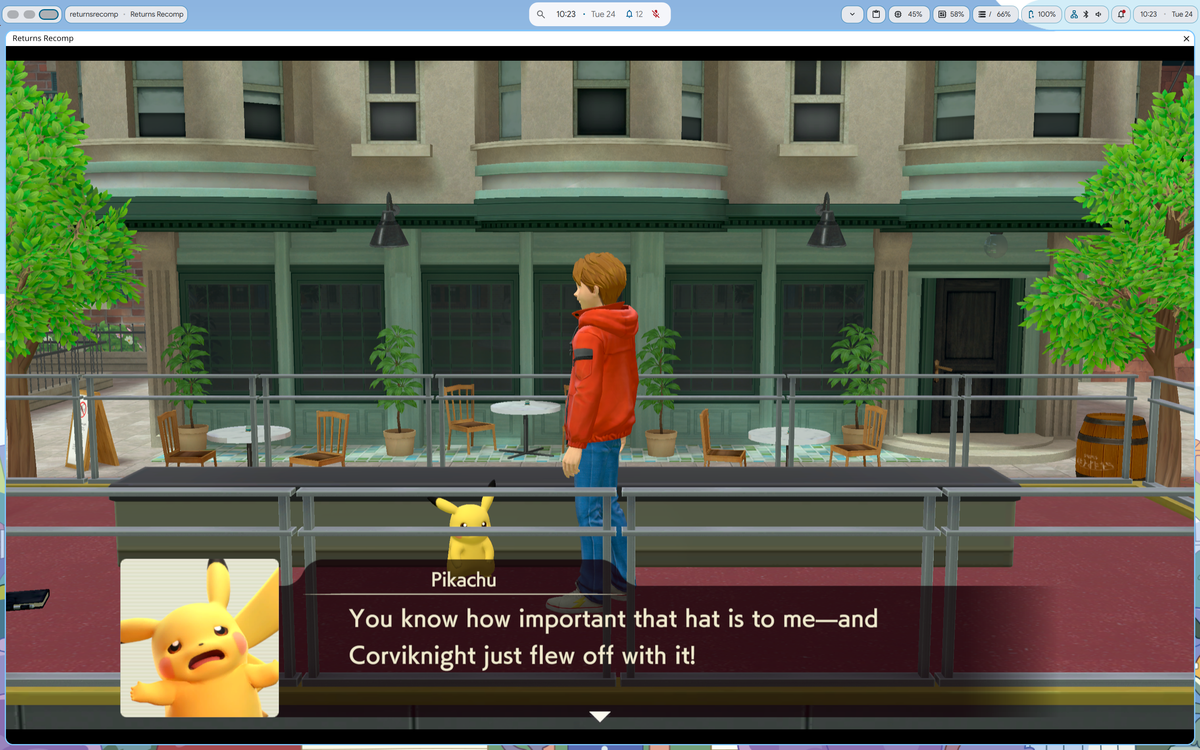
So where now?
There's still more work going on! I'm still using this as a research project when it comes to many things. I'm using different information storing techniques, different plugins, different thinking levels, and I've been really stress testing what people think are beyond the limits of relatively cheap open weight models.
Key takeaways
-
When it comes to this style work, smaller agents, or at least lower thinking levels are great for coding tasks.
-
High thinking on DeepSeek V4-Flash-1017 is actually pretty great in this harness at getting planning done, and doing hard research tasks.
-
Having agents keep up with AGENTS.md and ensuring it keeps durable data in there has helped keep things on track when spawning new agents.
-
Forgejo wiki has been a great durable information source for agents, and issues are efficient in keeping tasks together like a to-do list with comments, ability to organize into milestones, and just generally good ways to keep track of progress of agents, and get a human in the loop to give direction.
-
Pi harness with VCC has been invaluable in keeping context light, and yet it keeps the model from making much up. Despite the very cheap context and the trade offs they make to get it with this model, it was nearly 100% solved with recall and good guidance to verify.
-
This was all built on the backs of giants. Most of the initial work that this project has built on was done by humans, by hand. Hard work that these agents took for granted and could likely not have done much without said human work. Agents are not replacements for humans. They don't make the best code, but they certainly have produced something useful that humans could get enjoyment from the end product, and I think that's something worth talking about.
-
A cheap OpenCode Go subscription for a month covered everything you see here, and more. Only 42% usage at this time (13 days left), so this was insanely light on cost. This isn't an advertisement for the service, simply stating how little cost agents can be with open models that can run in a home when PC prices aren't insane.
Conclusion
So now we're at the end of the post, where do we go? Well, you can finally check out the repo to look at the progress, check old issues to see how its getting there, or just grab the project to try for yourself! I've only tested it on Linux at the moment, but I want to at some point see if an agent can build, test, and document Mac/Metal.
I'm hoping to add some extra features, similar to how its parent project LASRecomp does, and I'm open to feature requests other than porting to Windows. I don't have a Windows machine to point an agent at to validate, nor do I plan to. I'm happy if someone forks it and I will accept merge requests via git patch if you want your work upstreamed. I'm open to also adding a remote repo on GitHub if someone actually wants to submit PRs.